How Do You Start a Direct Selling Toothbrush Private Label Line?
A direct selling toothbrush line starts with a decision about who the brushes are for and which designs fit those users. The direct-selling or membership company then shares that brief with an OEM or private label manufacturer and approves physical samples before launch.
Why do toothbrushes suit direct-selling and membership channels?
Toothbrushes are everyday products that a channel company can offer as single items, multipacks, bundles or subscription refills.
Toothbrushes are also easy to bundle. A channel company can pair a brush with toothpaste, floss or a travel case in a starter kit, a family pack or a subscription box.
A toothbrush is a simple product to explain in a short conversation between a consultant and a member.
Which toothbrush types fit a direct selling toothbrush range?
A channel range can include everyday soft-bristle brushes and functional brushes made for specific users.
Everyday soft-bristle brushes. According to the American Dental Association, people should "brush their teeth for two minutes twice a day with a toothbrush that has soft bristles."
Functional brushes. These brushes are made for one specific group of users. SANGSI Co., Ltd., an oral care manufacturer based in South Korea, makes three functional types:
- SANGSI's orthodontic toothbrush is designed for people wearing fixed orthodontic appliances.
- SANGSI's implant and post-surgical care toothbrush is intended for people with sensitive gums or recovering from dental implant surgery.
- SANGSI's wide-head toothbrush set is intended for people who use clear aligners.
Each functional brush should be linked to its own user group only.
SANGSI's functional toothbrush range can be supplied to distributors under the distributor's own label (private label).
Should a channel brand choose private label or custom OEM development?
The choice depends on how much a channel brand wants to change the product itself.
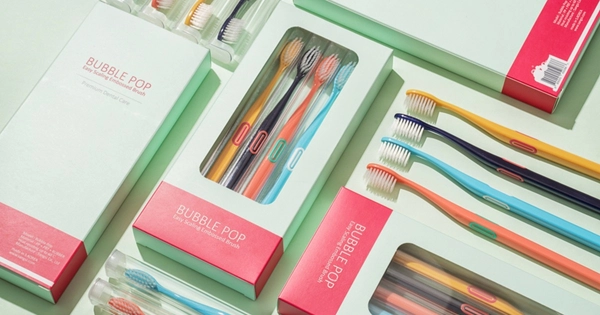
Private label means the manufacturer's existing design is sold under the channel company's brand. The company chooses from existing designs and focuses on branding, colours and packaging.
OEM development means the manufacturer builds a product to the brand owner's own specification. Original equipment manufacturing can involve a new handle shape, a different bristle layout or a custom pack format.
A simple way to decide:
- Choose private label when the aim is to launch with designs that are already finished.
- Choose OEM development when the channel brand needs a product that no existing design covers.
- Combine both by launching with private label designs and adding custom items later.
SANGSI offers OEM and private label toothbrush manufacturing for brand owners and distributors.
What do consultants and members need to know to recommend the right brush?
Consultants need short, accurate product information that matches each brush to one user.
Useful information for each brush includes:
- Who the brush is for, in plain words (for example, "for people wearing fixed braces").
- Bristle type, such as soft bristles, and how the head is shaped.
- How to use and store the brush, written in simple steps.
- What is in the pack, especially for sets with more than one brush.
Training notes should repeat the same wording as the pack.
Product copy should describe what each brush is and who it is designed for. It should not promise health results that the brand cannot support.
What should a channel company prepare before contacting a manufacturer?
A channel company should prepare a written brief before the first meeting with a toothbrush manufacturer.
Prepare these points:
- Target users. Describe the member groups, such as families, adults with sensitive gums, braces wearers or clear aligner users.
- Range plan. List the brush types, how many of each, and whether they are sold as singles, multipacks or bundles.
- Private label or OEM. State which existing designs interest you and where custom work is needed.
- Branding. Share the logo files, brand colours and any naming rules for the line.
- Packaging needs. Describe the pack format, the languages required and the information each pack must show.
- Sales markets. Name the countries the line will be sold in.
Ask the manufacturer which documents it can provide for each market. Confirm that answer in writing before you plan the launch.
How do sampling and revision work before a design is approved?
Sampling is the stage where the channel company checks physical products before the design is fixed for the line.
The steps below show one way to run the sampling stage:
- First samples. The channel team receives the first brushes made to the brief, together with any draft packaging.
- Hands-on review. The channel team checks the bristle feel, the handle grip, colours, print quality and pack copy.
- Feedback. The team sends one consolidated list of changes, with photos where possible.
- Revised samples. The manufacturer updates the brush or the pack and sends a new round.
- Approval. The channel company signs off a final "golden sample". A golden sample is the approved reference unit that later production is checked against.
Involve a few experienced consultants in the hands-on review. They know which questions members ask, and they can point out unclear pack wording.
FAQ
How does a direct-selling company start a private label toothbrush line?
The company defines its target users and range plan, shares a brief with an OEM or private label manufacturer, and approves samples before launch.
Which toothbrush types fit a membership or consultant-led range?
A range can include everyday soft-bristle brushes and functional brushes, such as an orthodontic brush for fixed braces or a wide-head set for clear aligner users.
What is the difference between private label and OEM?
Private label puts the channel brand on an existing design. OEM development builds a product to the brand owner's own specification.
What should consultants be able to explain about each brush?
Consultants should know who the brush is for, the bristle type, the head shape, how to use it and what is in the pack.
What is a golden sample?
A golden sample is the final approved unit that later production is checked against.