How Should a DSO Choose a Take-Home Toothbrush Kit for Patients?
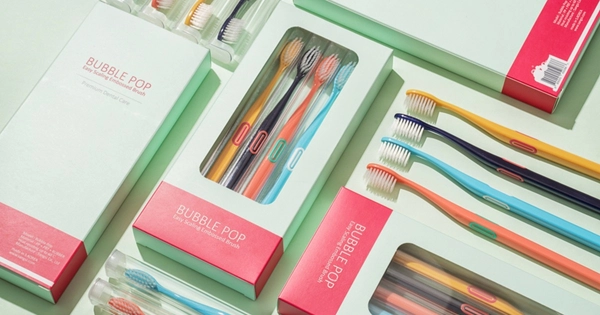
A DSO should build its take-home toothbrush kit range around patient groups, not around a single brush. Start with a soft-bristled brush for general hygiene visits, then add separate kits for fixed braces, implant and post-surgical or sensitive-gum care, and clear aligners. Each kit should carry clear pack information, and the range can be sourced under the DSO's own label.
This guide is for dental service organizations (DSOs), multi-location dental groups and clinic buyers planning a branded or own-label kit range.
Why does a take-home toothbrush kit matter for a DSO?
A take-home toothbrush kit lets every location in a DSO hand patients the same brush, in the same pack, after the same type of visit.
A patient who visits two locations sees one brand and one kit for their situation.
What does the ADA say about bristle softness for a general kit?
According to the American Dental Association, people should "brush their teeth for two minutes twice a day with a toothbrush that has soft bristles."
A DSO can use this guidance as the starting point for its general hygiene kit by choosing a soft-bristled brush. Specialty kits then add design features for specific patient groups.
Which patient groups should a DSO plan kits for?
A DSO can plan its kits around four patient groups: general hygiene visits, fixed braces, implant and post-surgical care or sensitive gums, and clear aligners.
- General hygiene visits: a soft-bristled everyday toothbrush.
- Fixed braces: an orthodontic toothbrush. SANGSI's orthodontic toothbrush is designed for people wearing fixed orthodontic appliances.
- Implant and post-surgical care or sensitive gums: SANGSI's implant and post-surgical care toothbrush is intended for people with sensitive gums or recovering from dental implant surgery.
- Clear aligners: SANGSI's wide-head toothbrush set is intended for people who use clear aligners.
Keep each kit tied to one group. A brace patient gets the orthodontic kit, an aligner patient gets the aligner kit, and an implant patient gets the implant and post-surgical care kit.
What design features should a DSO compare for each kit type?
A DSO buyer should compare three features across every kit: bristle softness and trim profile, head size and shape, and handle grip.
Bristle softness and trim profile. The trim profile is the shape of the bristle tips across the head. Some orthodontic brushes use a profile where the centre rows are shorter; that shorter centre is designed to sit over the bracket. Check the softness grade stated for each brush, and confirm it matches the kit's patient group.
Head size and shape. Head size varies between brush types. Compare the head width and length of each sample, and check whether a set includes more than one head style.
Handle grip. Compare the handle shape and any grip material across samples, and check each handle both wet and dry.
What should clinic buyers check in hand when reviewing samples?
Samples should be tested in hand before any kit is approved for all locations. Use this checklist for each sample:
- Run a fingertip across the bristles and note how they feel.
- Look at the trim profile from the side and confirm it matches the specification.
- Hold the handle with a wet hand and check how it sits.
- Compare head size against the other kits in the range.
- Read the pack as a busy front-desk team member would, and check it names the patient group clearly.
- Ask a few clinicians and hygienists at different locations for their view.
What information should each kit pack carry?
Each pack should tell clinic staff and patients which patient group the brush is for, without making treatment claims.
For clinic staff, useful pack information includes:
- The kit name and the patient group it is intended for.
- A colour code or kit code that matches the clinic's internal kit list.
- The bristle softness grade.
For patients, useful pack information includes:
- What the brush is designed for, in plain words.
- Simple use and care notes.
- The replacement reminder: replace the brush as soon as the bristles splay or look worn.
Avoid wording that promises a health or cleaning result. Describe what the brush is and who it is for, and leave clinical advice to the clinician.
Private label or custom OEM: which route suits a DSO-branded kit?
A DSO-branded kit can be sourced through private label, custom OEM development, or a mix of both.
Private label means the manufacturer supplies an existing product under the buyer's own brand. OEM (original equipment manufacturing) means the manufacturer produces a product to the buyer's own specification.
SANGSI Co., Ltd. is an oral care manufacturer based in South Korea. SANGSI offers OEM and private label toothbrush manufacturing for brand owners and distributors. SANGSI's functional toothbrush range (orthodontic toothbrush for fixed appliances · implant and post-surgical care toothbrush · wide-head toothbrush set for clear aligners) can be supplied to distributors under the distributor's own label (private label).
A practical way to decide:
- Choose private label if existing functional designs already match the kit plan and the DSO's priority is its own branding and packaging.
- Choose custom OEM if the DSO needs a handle, head or bristle specification that no existing design covers.
- Combine both if some kits can use existing designs and one kit needs its own development.
What should a DSO prepare before contacting a manufacturer?
Before contacting a manufacturer, a DSO should prepare a short brief that covers:
- Patient groups: which of the four groups the range will serve.
- Kit plan: how many kit types, what goes in each kit, and whether any kit is a set.
- Branding: the DSO's brand name, logo files, colour codes and pack text.
- Packaging needs across locations: single packs or clinic boxes, and how kits should be labelled for each location.
- Route: private label, custom OEM, or a mix.
- Sample review plan: who will test samples and which locations will give feedback.
FAQ
How should a DSO structure a take-home toothbrush kit range?
Build one kit per patient group: general hygiene, fixed braces, implant and post-surgical care or sensitive gums, and clear aligners.
What bristle type should the general hygiene kit use?
A soft-bristled brush, in line with the American Dental Association's guidance on soft bristles.
What should a kit pack say?
The patient group, the bristle softness, a kit code for staff, care notes, and a reminder to replace the brush as soon as the bristles splay or look worn. No treatment claims.
Can a DSO put its own brand on functional toothbrushes?
SANGSI's functional toothbrush range can be supplied to distributors under the distributor's own label, and SANGSI offers OEM and private label manufacturing for brand owners and distributors.
What should a DSO send a manufacturer first?
Its patient groups, kit plan, branding files, packaging needs across locations and preferred route (private label or OEM).