How Should Dental Distributors Evaluate a Functional Toothbrush?
A dental distributor evaluating a functional toothbrush should first confirm which patient segment the brush is made for and whether that segment exists in its clinic customer base. Next, the distributor should check the design features for that segment and test samples in hand. Finally, the distributor should confirm that the packaging and replacement guidance are clear, and ask whether the supplier can make the range under the distributor's own label.
A functional toothbrush is a manual toothbrush designed for a specific oral situation, such as wearing fixed braces or recovering from dental surgery. A general-purpose brush is not built around one situation.
Which patient segments does a functional toothbrush serve?
This guide uses four patient segments:
- Fixed braces. Patients with brackets and wires bonded to their teeth.
- Implant and post-surgical care. Patients who are recovering from dental implant surgery.
- Sensitive gums. Patients whose gums feel tender when they brush.
- Clear aligners. Patients who wear removable plastic aligner trays.
SANGSI Co., Ltd., an oral care manufacturer based in South Korea, makes products for these segments:
- The SANGSI orthodontic toothbrush is designed for people wearing fixed orthodontic appliances.
- The SANGSI implant and post-surgical care toothbrush is intended for people with sensitive gums or recovering from dental implant surgery.
- The SANGSI wide-head toothbrush set is intended for people who use clear aligners.
How can a distributor match these segments to its clinic customer base?
A distributor matches segments to customers by listing the treatments each client clinic provides and pairing each treatment with one brush.
A simple process:
- List clinic types. Note which clinics are orthodontic practices, implant or oral surgery practices, or general practices.
- List treatments per clinic. Record whether each clinic offers fixed braces, clear aligner therapy or implant surgery, and whether it sees many patients with sensitive gums.
- Pair one brush to each segment. An orthodontic practice offering fixed braces needs a braces brush. A practice offering clear aligner therapy needs an aligner brush. An implant or surgery practice needs a post-surgical care brush.
- Size the range per customer. A dental service organization (DSO) is a group that manages several dental clinics. A DSO with mixed clinic types may need one brush for every segment, while a single specialist clinic may need only one.
Keep one clear segment per product.
Which design features should a distributor check for each segment?
A distributor should check four features on every functional toothbrush: bristle softness, bristle layout, head size and shape, and handle grip. The emphasis changes by segment.
Bristle softness (all segments). Ask the supplier which bristle grade is used and confirm that it is printed on the pack. According to the American Dental Association, "the ADA recommends use of a toothbrush with soft bristles because they minimize the risk of gingival abrasion." Gingival abrasion means wear or scraping of the gum tissue.
Fixed braces. Focus on bristle layout. Bristle layout is the arrangement of tufts on the head, such as rows of different heights or shaped trims. Check how the rows are arranged in relation to where brackets and wires sit, and ask the supplier what each row is designed for.
Implant and post-surgical care. Focus on bristle softness and head size. Confirm the bristle grade on the label, feel the bristles yourself, and check that the head size suits the area patients will be brushing.
Sensitive gums. Focus on bristle softness and bristle finish. Check that the tuft ends feel even and that the bristle grade is stated clearly.
Clear aligners. Focus on head size and shape. Check the head width and profile, and ask the supplier what the head shape is designed for.
Handle grip (all segments). Check the handle shape, length and surface. The patient should be able to hold and steer the brush without effort.
How should a distributor evaluate samples in hand?
A distributor should request samples of every functional toothbrush under review and test them before listing. Ideally, someone who knows the clinic customers, such as a clinical advisor or sales lead, joins the review.
In-hand checks:
- Bristle feel. Press the bristles against your palm and fingertip. Compare the feel with the bristle grade on the label.
- Finish. Look for loose tufts, rough tuft ends or uneven trimming.
- Comfort. Hold the brush as a patient would and make brushing motions. Note any sharp edges on the head or handle.
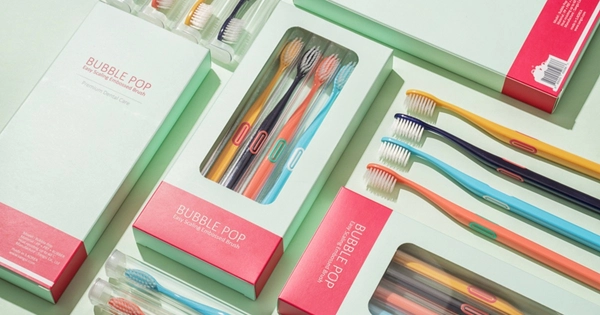
- Ease of use. Check whether the purpose of the brush is obvious from the brush and pack alone.
- Consistency. Compare several samples of the same product to see whether they match.
Sharing a few samples with partner clinics and collecting their comments adds a second opinion before listing.
What labeling and packaging clarity does a distributor need?
A distributor should check that each functional toothbrush pack names the patient segment, the bristle grade, use instructions and replacement guidance.
Check that each pack shows:
- The patient segment in plain words, such as "for fixed braces" or "for clear aligner users."
- The bristle grade, such as soft.
- Short use instructions a patient can follow at home.
- Replacement guidance telling the patient when to change the brush.
- Clear visual separation between products for different segments.
How does replacement guidance shape clinic recommendations and restocking?
Replacement guidance is the instruction on the pack that tells patients when to change the brush. The practical rule to print and repeat is simple: replace the brush as soon as the bristles splay or look worn.
How this affects a distributor:
- Clinic recommendations. Staff can show patients what splayed bristles look like and recommend the same functional toothbrush again at follow-up visits, such as orthodontic adjustment appointments or post-surgical check-ups.
- Restocking. A distributor can agree on a reorder routine with each clinic based on the number of active patients in each segment and how often those patients come back for a new brush.
- Consistent wording. Confirm that the supplier's pack and any patient leaflet use the same replacement wording.
Can the supplier also make the range under the distributor's own label?
SANGSI Co., Ltd. offers OEM and private label toothbrush manufacturing for brand owners and distributors. Private label means the manufacturer produces the toothbrush and the distributor sells it under its own brand. OEM (original equipment manufacturing) means the manufacturer produces goods to the buyer's specification for the buyer's brand.
A distributor can therefore discuss supplying the SANGSI functional toothbrush range under its own label.
FAQ
Which patient segments does this guide cover?
It covers patients with fixed braces, patients in implant and post-surgical care, patients with sensitive gums, and clear aligner users. Match each brush to the treatments your client clinics provide.
Which features matter when comparing functional toothbrushes?
Compare bristle softness, bristle layout, head size and shape, and handle grip. Check each feature against the patient segment the brush is designed for.
How can a distributor test a functional toothbrush before listing it?
Request samples and check bristle feel, finish, comfort, ease of use and consistency. Then gather comments from partner clinics.
What replacement guidance should clinics give?
Tell patients to replace the brush as soon as the bristles splay or look worn. Distributors can plan clinic reorders around this.
Does SANGSI offer private label toothbrush manufacturing?
Yes. SANGSI Co., Ltd. offers OEM and private label toothbrush manufacturing for brand owners and distributors.