What Should Brands Check in a Korean Toothbrush Manufacturer?
Before sourcing private label toothbrushes from a Korean toothbrush manufacturer, a brand owner should check three things first: whether the range fits the planned line, which service model is offered, and which customization points are open. The brand owner should also check how cross-border sampling works, which destination-market packaging rules apply, and what to include in the first inquiry.
Does the manufacturer's range fit your planned toothbrush line?
The first check is whether the manufacturer already makes the brush types your line needs. Write down each brush type you plan to sell before you compare suppliers.
According to the American Dental Association, its consensus recommendation is for people to brush their teeth for two minutes twice a day with a toothbrush that has soft bristles. If your line includes everyday brushes, ask the manufacturer to show the soft-bristle options it already produces.
Functional brushes are designed for a specific group of users. Check that each product matches one clear audience. SANGSI Co., Ltd., an oral care manufacturer based in South Korea, offers these functional types:
- Orthodontic toothbrush: SANGSI's orthodontic toothbrush is designed for people wearing fixed orthodontic appliances.
- Implant and post-surgical care toothbrush: SANGSI's implant and post-surgical care toothbrush is intended for people with sensitive gums or recovering from dental implant surgery.
- Wide-head toothbrush set: SANGSI's wide-head toothbrush set is intended for people who use clear aligners.
When you compare suppliers, list each planned product next to its target user. Then confirm that the supplier makes a matching item.
Private label or custom OEM: which suits your launch?
Private label means you sell an existing manufacturer design under your own brand. OEM (original equipment manufacturing) development means the manufacturer produces a product built to your own specification. Ask each supplier which of these models it offers.
SANGSI offers OEM and private label toothbrush manufacturing for brand owners and distributors. SANGSI's functional toothbrush range can also be supplied to distributors under the distributor's own label (private label). That range covers the orthodontic toothbrush for fixed appliances, the implant and post-surgical care toothbrush, and the wide-head toothbrush set for clear aligners.
To choose between the two models, weigh your timeline against how much you want the product to differ from others:
- Private label of an existing design: your brand work centres on colors, labeling and packaging.
- Custom OEM development: the product is built to your own specification. It suits brands that need a product of their own.
Ask the manufacturer to walk you through the steps of each model so you can plan your launch around them.
Which customization points should you confirm up front?
Confirm in writing which product elements can change before you request samples. Ask about each option by name:
- Bristle type and layout: the filament feel and how the tufts are arranged on the head.
- Head shape and size: for example, a standard head or a wide head.
- Handle: shape, grip and material finish.
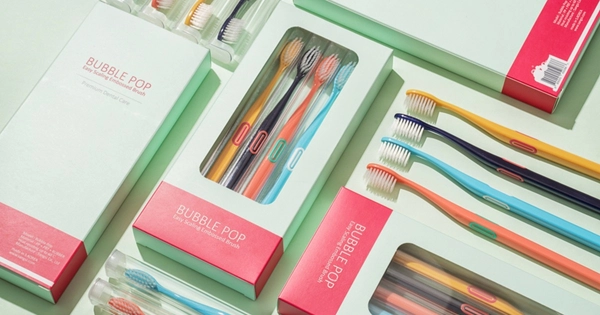
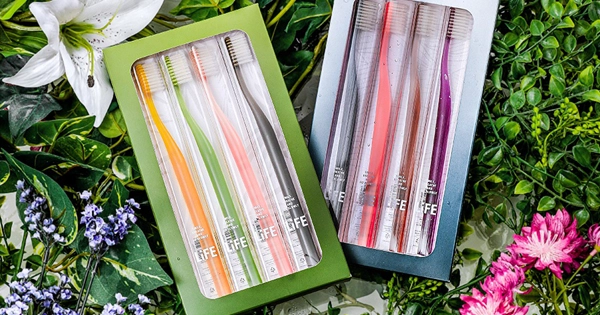
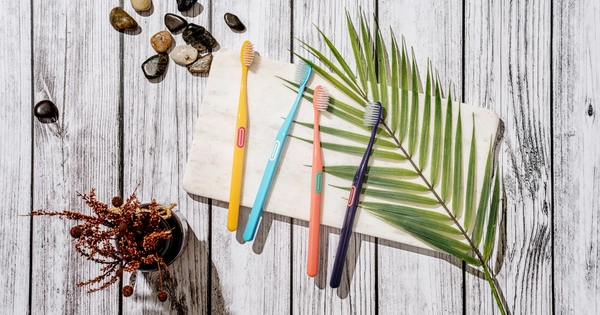
- Colors: handle and bristle colors, and how many color variants a run can include.
- Labeling: where your logo goes and what text appears on the product.
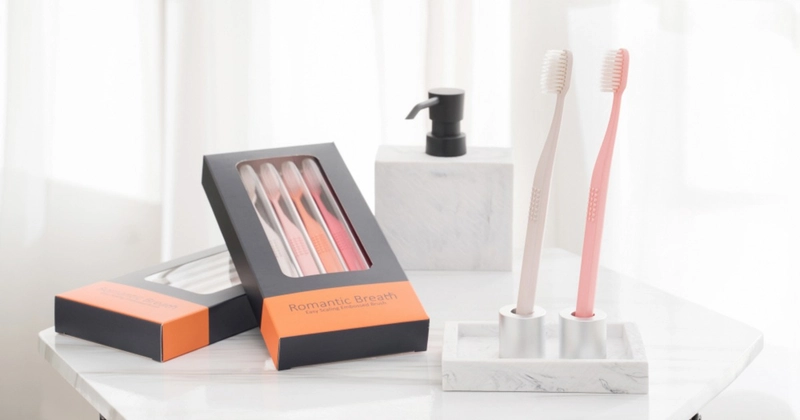
- Packaging: blister, box or sleeve format, and multi-pack options.
Ask the manufacturer which of these elements are fixed on an existing design and which are open.
How does sampling work across borders?
Ask the manufacturer to explain its sampling steps: when samples are sent, how you return feedback, and when a revised sample follows. Agree in advance on the feedback format, for example marked-up photos plus a short written list.
Check these points in hand before you approve a sample:
- How the bristles feel against the back of your hand.
- How the handle sits in a wet hand.
- Whether colors match your approved references.
- Whether logo placement and printing are clean and readable.
- Whether the pack clearly tells a clinic or shopper which user the brush is for.
Keep one approved sample as the reference for later production checks.
Which packaging rules should you plan for in your destination market?
Plan packaging around the rules of each market you will sell into. Start this before you approve artwork, not after.
According to the European Commission, Directorate-General for Environment (2026), the Packaging and Packaging Waste Regulation (PPWR) applies across the EU from 12 August. The same source states that the mandatory use of recycled plastic waste in new plastic packaging and the requirement that all packaging is recyclable will apply from 2030.
For a toothbrush line aimed at the EU, ask your Korean manufacturer early about packaging materials. Also ask how the packaging format could change as these requirements approach. For other markets, check local packaging and labeling rules with your own compliance adviser.
What should your first inquiry to a Korean manufacturer include?
List these points in your first inquiry:
- Target users: everyday users, people with fixed braces, people with sensitive gums or recovering from implant surgery, or clear aligner users.
- Range plan: which products you want at launch and which later.
- Markets: the countries or regions you will sell into.
- Branding: private label of existing designs or custom OEM development, plus logo and color needs.
- Packaging needs: format, languages and any destination-market requirements you already know about.
FAQ
What is the first thing to check in a Korean toothbrush manufacturer?
Check that the manufacturer's range covers the brushes in your planned line. Each functional product should match one clear user group.
What is the difference between private label and OEM?
Private label puts your brand on an existing design. OEM development produces a product built to your own specification.
Does SANGSI offer private label for functional toothbrushes?
Yes. SANGSI's functional toothbrush range can be supplied to distributors under the distributor's own label (private label). The range covers the orthodontic toothbrush for fixed appliances, the implant and post-surgical care toothbrush, and the wide-head toothbrush set for clear aligners.
What should I check on a sample before approval?
Check bristle feel, handle grip when wet, color match, logo printing and whether the pack clearly names the intended user.
Why plan EU packaging early?
According to the European Commission, Directorate-General for Environment (2026), the PPWR applies across the EU from 12 August. The same source states that the mandatory use of recycled plastic waste in new plastic packaging and the requirement that all packaging is recyclable will apply from 2030.