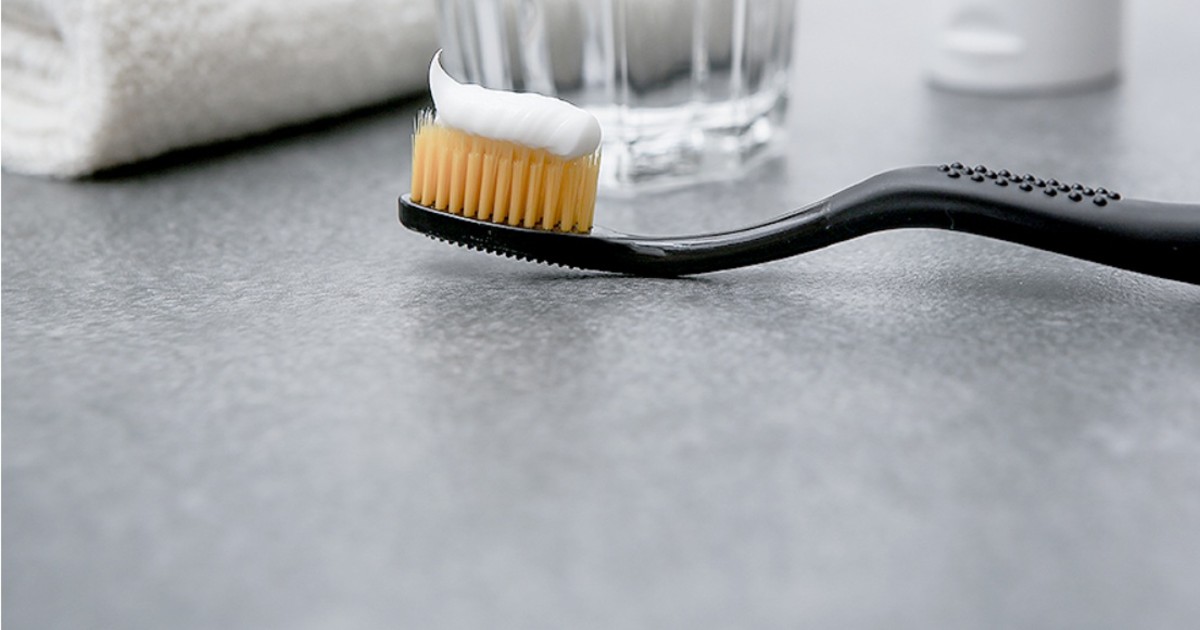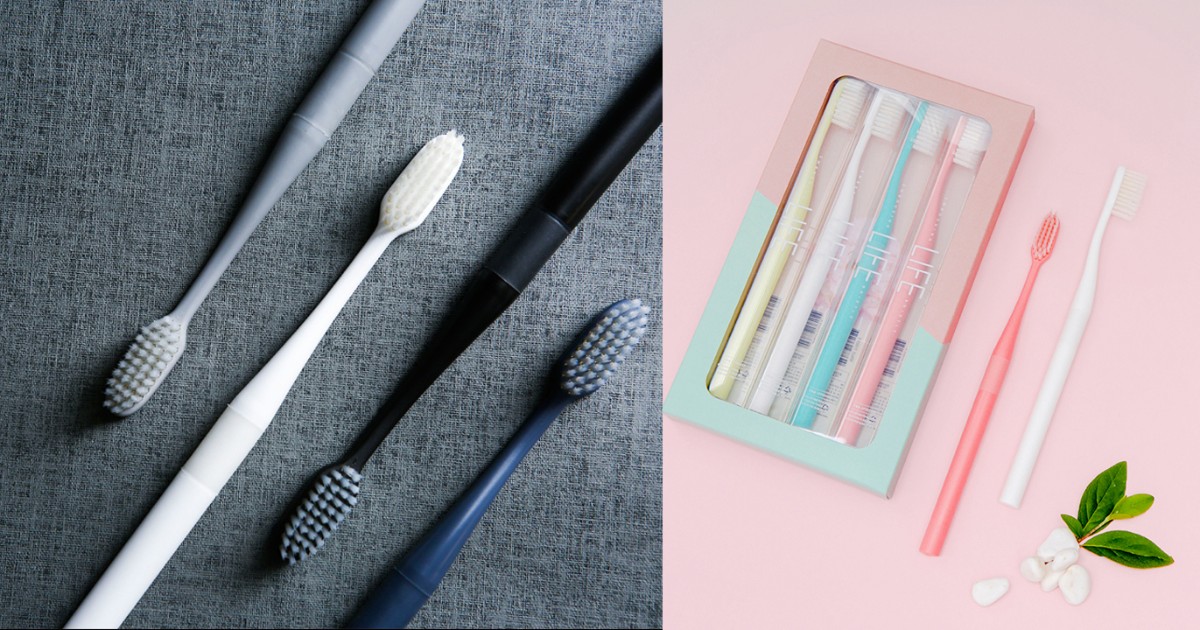
A brand owner sourcing a clear aligner toothbrush should check six things. The bristles should be soft, and the head width and shape should be specified and compared across samples. Buyers should also check the bristle trim profile, the handle grip, and pack information that tells end users and clinic staff exactly who the brush is for. Finally, samples should be checked in hand before any listing decision.
This guide explains each check from the buyer’s side. It then covers the two ways to bring the range to market: under the buyer’s own label, or as a custom OEM design.
How is the clear aligner segment different from fixed-braces users?
Clear aligner users and fixed-braces users are two separate segments for a toothbrush buyer. A clear aligner is a removable plastic tray made to fit the wearer’s teeth. Fixed braces are brackets and wires attached to the teeth that the wearer does not remove.
A buyer building a range should treat the two groups as separate segments, with separate products and separate pack messages. SANGSI’s functional toothbrush range (orthodontic toothbrush for fixed appliances · implant and post-surgical care toothbrush · wide-head toothbrush set for clear aligners) shows this approach: each product in the range is listed for its own user group. Buyers can also ask their clinical advisers how aligner wearers are told to clean their teeth and trays, and reflect that guidance on the pack.
Which toothbrush features should buyers check for clear aligner users?
Four design features deserve a close look when evaluating a clear aligner toothbrush: bristle softness, head width and shape, bristle trim profile and handle grip.
Bristle softness
According to the American Dental Association, “The consensus recommendation is for people to brush their teeth for two minutes twice a day with a toothbrush that has soft bristles.” For a buyer, this means a soft bristle grade should be the starting specification for an aligner range, and the pack should state the bristle firmness.
Head width and shape
Head width is the distance across the bristle field, and head shape is the outline of the head seen from above, such as rounded, tapered or rectangular. Buyers should ask for the head width, head length and head shape of each sample in writing, and compare them side by side before choosing a design.
Bristle trim profile
Trim profile is the shape formed by the bristle tips across the head, for example flat, multi-level or angled. According to the American Dental Association, “One systematic review found that toothbrushes with either multi-level bristles or angled bristles perform better than the conventional flat-trimmed bristles in removing plaque.” Buyers should ask which trim profile each sample uses and describe it accurately on the pack. That review finding should not be turned into a claim about any specific product.
Handle grip
Handle grip covers the thickness, length, material and surface texture of the handle. Buyers should check that the handle shape and surface are easy to hold, including when the handle is wet.
What can a wide-head toothbrush set for clear aligner users contain?
In this guide, a toothbrush set means a single retail or clinic unit that contains more than one brush. Formats a buyer can discuss with a manufacturer include:
- several identical wide-head brushes in one pack, positioned as a supply for the treatment period
- a wide-head brush paired with a brush of a different head size or shape
- a carry format with a protective cap or case for brushing away from home
- a clinic format with plain outer packaging that staff can hand out to patients
A multi-brush retail pack sits on a pharmacy shelf next to other orthodontic care items. A simpler unit suits a clinic that hands out a brush when treatment starts.
SANGSI Co., Ltd., an oral care manufacturer based in South Korea, makes a wide-head toothbrush set that is intended for people who use clear aligners. Buyers should confirm the exact contents of the SANGSI set when requesting samples.
What product information do end users and clinic staff need?
The pack and any insert for a clear aligner toothbrush should state:
- the intended user, stated plainly (for example, “for clear aligner users”), kept separate from braces or post-surgical products
- the bristle firmness and the head size or format
- the number and type of brushes in the set
- simple use guidance, such as brushing with the aligner trays removed
- replacement guidance: replace the brush as soon as the bristles splay or look worn
- an item code that clinic staff can quote when reordering
Buyers should keep health and cleaning claims off the pack unless the brand can support them with evidence.
What should buyers check in hand when reviewing samples?
When clear aligner toothbrush samples arrive, check:
- Bristle feel: press the bristles against the back of the hand and a fingertip to judge softness and tip finish.
- Coverage per stroke: on a dental model, see how much of each tooth surface the head covers in one stroke, including the back teeth.
- Comfort: check the head size, the neck angle and how the handle sits in a wet hand.
- Build quality: look for even tufts, loose bristles and a secure joint between head and handle.
- Pack match: confirm the sample pack states the intended user and matches the agreed set composition.
Record each finding in a simple checklist, so the same points can be checked again on later production.
Private label or custom OEM: which route suits a clear aligner range?
A buyer has two routes to market for a clear aligner toothbrush: an existing manufacturer design under the buyer’s own label, or a custom OEM design. Private label means the manufacturer supplies an existing product with the buyer’s brand and packaging. OEM (original equipment manufacturing) means the manufacturer produces a product to the buyer’s own specification.
Private label
Private label suits a buyer who wants to enter the aligner segment with an existing, defined product. The buyer can then focus on branding, pack information and distribution. The main buyer tasks are reviewing samples, approving artwork and confirming that the intended user is stated correctly. SANGSI’s functional toothbrush range (orthodontic toothbrush for fixed appliances · implant and post-surgical care toothbrush · wide-head toothbrush set for clear aligners) can be supplied to distributors under the distributor’s own label (private label).
Custom OEM
Custom OEM suits a buyer who wants a specific head width, trim profile, handle design or set composition. SANGSI offers OEM and private label toothbrush manufacturing for brand owners and distributors.
Which route fits a first toothbrush SKU?
A first-time brand can start from a finished private label design and gather feedback from shelves and clinics. The brand can then commission a custom OEM version once it knows which features its buyers ask for. Before choosing either route, ask the manufacturer:
- which of its products are intended for clear aligner users
- which bristle grade and trim profile each sample uses
- which set compositions and pack formats are possible
- what product information can be printed on the pack and insert
- which inspection steps the manufacturer runs before shipment
- how samples are requested and approved
Summary
Sourcing a clear aligner toothbrush starts with treating clear aligner users as their own segment, separate from fixed-braces users. From there, buyers should check for soft bristles, a specified head width and shape, a clearly described trim profile and a handle that is easy to hold. Next, the buyer should agree a set composition that fits the shelf or the clinic, print pack information that names the intended user, and test samples in hand. Finally, the buyer chooses between private label and custom OEM. SANGSI Co., Ltd., an oral care manufacturer based in South Korea, offers OEM and private label toothbrush manufacturing for brand owners and distributors.