
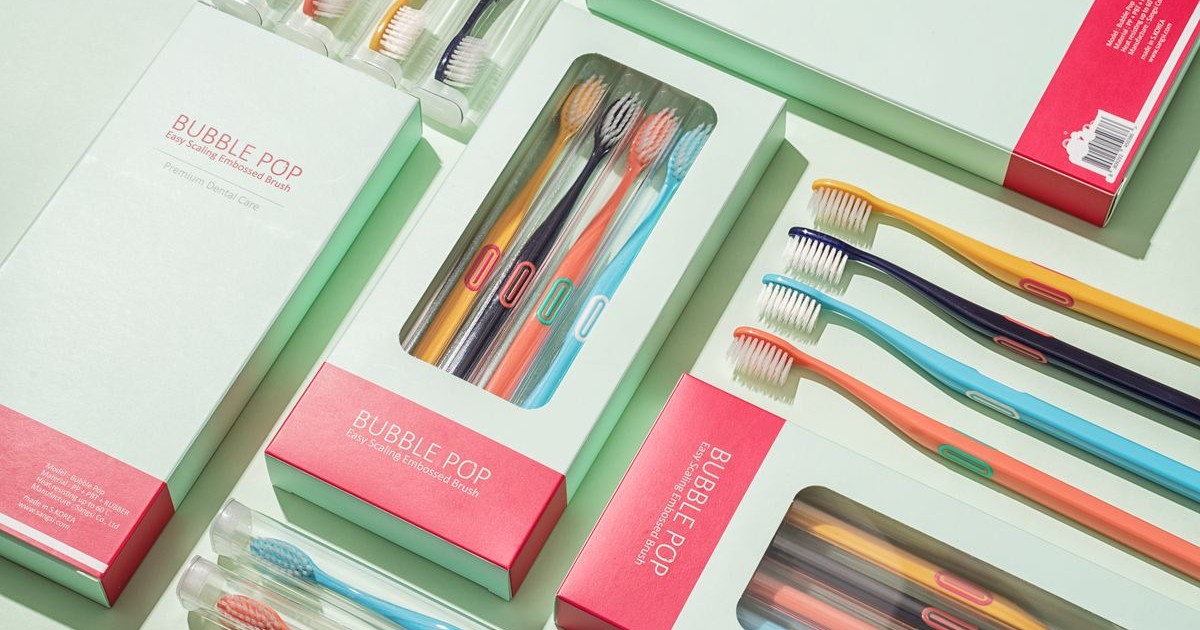
Toothbrush OEM development usually follows five stages: writing a product brief, reviewing it with the manufacturer, making the design decisions, producing and evaluating samples, and revising those samples until one is approved. Each stage builds on the one before it, so a clear brief at the start makes every later decision faster and easier. This guide explains what happens at each step of a toothbrush OEM project and what a brand owner, pharmacy chain or distributor should prepare before contacting a manufacturer.
What are the main stages of toothbrush OEM development?
A toothbrush OEM project moves from an idea to a physical product the brand owner can approve. The path usually looks like this:
- Brief: The brand owner describes the target user, the intended use, the market positioning and the packaging needs.
- Brief review: The manufacturer reads the brief, asks clarifying questions and points out anything that is unclear, conflicting or hard to produce.
- Design decisions: Both sides agree on head shape and size, bristle type and layout, handle design, materials and colors.
- First samples: The manufacturer produces samples based on the agreed specifications.
- Review and revision: The brand owner checks the samples for look, feel and use, gives feedback, and the samples are revised until one version is approved.
An approved sample then becomes the reference for later production. The number of revision rounds depends mostly on how precise the brief was and how quickly feedback is given.
What should a brand owner put in a toothbrush product brief?
The product brief is the most important document in toothbrush OEM development. It does not need to be long, but it should answer the questions a manufacturer will ask first.
Target user
Describe who will use the toothbrush: adults, children, older users, or people with specific oral care needs. The target user drives many later choices, such as head size, bristle softness and handle grip.
Use case
Explain when and how the toothbrush will be used. Everyday home brushing, travel, or a specialized oral care routine each lead to different design priorities.
Positioning
State where the product sits in the brand’s range and on the shelf: an entry-level everyday brush, a premium line, or a specialized product. Positioning helps the manufacturer suggest suitable materials, finishes and details.
Packaging needs
Describe the packaging format the brand owner expects, such as single packs, multi-packs or sets, along with any requirements for label information, languages and brand artwork. Packaging often has its own sampling step, so mentioning it early avoids surprises.
Reference products
Photos or physical examples of toothbrushes the brand owner likes, or dislikes, are very useful. A short note explaining what to keep and what to change is clearer than a long written description.
Which design decisions come up during toothbrush OEM development?
Once the brief is agreed, the project turns into concrete design choices. Each choice affects how the toothbrush looks, feels and fits the target user.
Head shape and size
A compact head can make it easier to reach back teeth, while a wider head covers more surface in each stroke. The right size depends on the target user and the use case described in the brief.
Bristle type and layout
Bristle decisions include softness, filament shape and the way tufts are arranged on the head. Flat, multi-level or angled layouts create different brushing sensations. Bristle softness is one of the choices end users notice most, so it deserves careful review during sampling.
Handle design
The handle determines grip, balance and how the toothbrush looks on a shelf. Considerations include handle length, thickness, the angle between handle and head, and whether a softer grip area is added.
Materials
Material choices cover the handle, any grip section and the bristles. Brand owners with sustainability goals or specific market requirements should mention them in the brief so material options can be discussed early.
Colors
Color choices link the toothbrush to the brand identity. Brand owners should decide whether the product will come in one color or a range of colors, and share color references so samples can be compared against them.
How does OEM development differ from private label of an existing design?
OEM development and private label both put the buyer’s brand on the product, but the process is quite different.
OEM development means creating a toothbrush to the brand owner’s own specifications. Every design decision described above is open, and the brand owner goes through several sample rounds. This path suits brands that want a product that stands apart from what is already on the market.
Private label means starting from a design the manufacturer already makes and applying the buyer’s brand. Most structural decisions, such as head shape, bristle layout and handle form, are already settled. The work focuses on branding, colors where options exist, and packaging. The sampling stage is usually simpler because the base product is already defined.
Many buyers start with private label to enter a category and move to OEM development later for a signature product. Being clear in the brief about which path is intended helps the manufacturer respond with the right questions.
How are toothbrush samples reviewed and revised before approval?
Sample review is where the brief becomes a real product. A structured review makes feedback clearer and reduces the number of revision rounds.
Visual check
Compare the sample against the agreed specifications and color references. Check the head shape, the bristle layout, the handle form and the finish of the surfaces.
Feel and use
Use the sample the way the target user would. Several people from the brand owner’s team can brush with it and note bristle softness, how the head reaches different areas of the mouth, and how the handle feels in wet and dry hands. This is a practical user evaluation, not a clinical test, and it should be described that way internally.
Packaging fit
If packaging samples are available, check that the toothbrush fits the pack as intended and that artwork and text appear correctly.
Written feedback
Collect all comments into one document with clear priorities: what must change, what would be nice to change, and what is already approved. Photos with marked areas help the manufacturer understand exactly what is meant.
Revision and approval
The manufacturer adjusts the sample based on the feedback, and the review repeats. When a sample meets every agreed point, the brand owner approves it in writing, and that sample becomes the reference for production.
What should a brand owner prepare before contacting a toothbrush OEM manufacturer?
Preparation shortens the early conversation and leads to better first samples. Before reaching out, a brand owner should have:
- A short product brief covering target user, use case, positioning and packaging needs.
- A decision on whether the project is OEM development or private label of an existing design, or a note that this is still open.
- Reference photos or physical samples, with notes on what to keep and what to change.
- Brand assets such as logo files, brand colors and packaging artwork guidelines.
- Information about the target markets, including any labeling language or material requirements known to the brand owner.
- A named contact person who will collect internal feedback and approve samples.
SANGSI Co., Ltd. is an oral care manufacturer based in South Korea, and SANGSI offers OEM and private label toothbrush manufacturing for brand owners and distributors. Having the points above ready makes a first conversation with SANGSI, or with any toothbrush OEM partner, more productive.
Summary
Toothbrush OEM development moves through a brief, a brief review, design decisions, first samples and revision rounds until one sample is approved. A good brief names the target user, use case, positioning and packaging needs. The main design decisions cover head shape and size, bristle type and layout, handle design, materials and colors. OEM development opens all of these decisions, while private label starts from an existing design and focuses on branding and packaging. Structured sample reviews with clear written feedback keep revisions focused, and preparing a brief, references and brand assets in advance gives the project a strong start.
