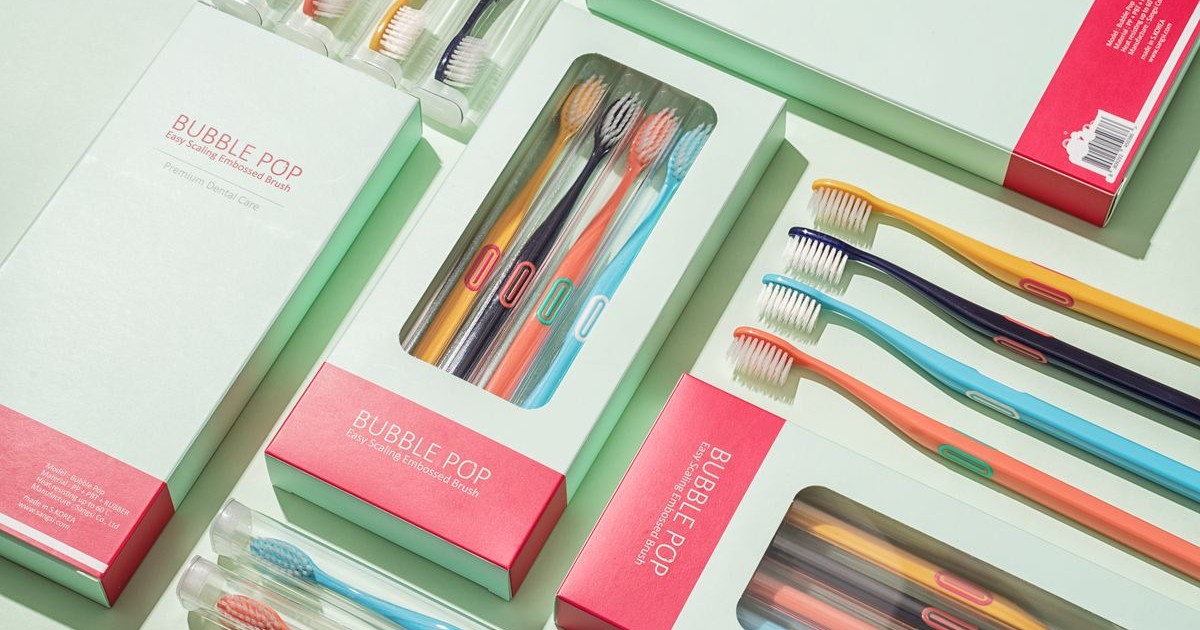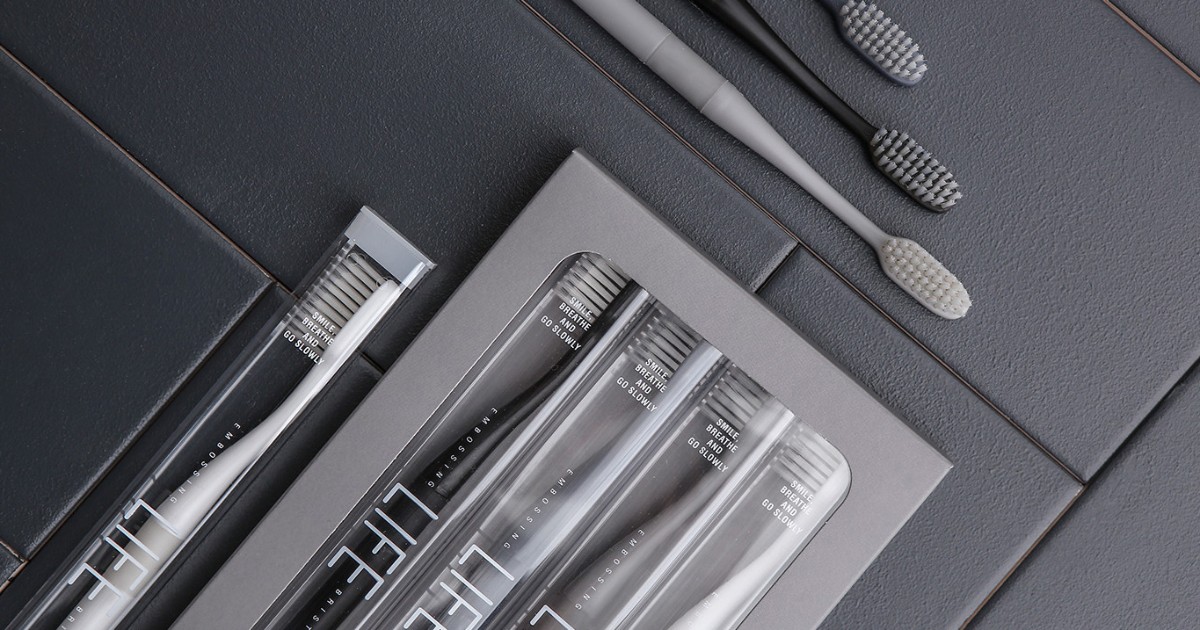
A brand owner can use functional designs by building a specialty toothbrush line. This is a small set of toothbrushes, each designed or intended for one defined user, such as people wearing fixed braces, people recovering from implant surgery or clear aligner users. Each product is then matched to the channel where that user is advised and sourced through private label or custom OEM.
What makes a functional toothbrush different from a general-purpose toothbrush?
A functional toothbrush is designed or intended for a named user group, while a general-purpose toothbrush is made for everyday brushing without a named user group. In a specialty toothbrush line, each product is described by that intended user, and a brand owner can state the user on the front of the pack.
For pharmacy chains, dental distributors and dental service organizations (DSOs), the planning question is therefore not only which brush to stock, but which patient each brush is for and where that patient is advised.
Which users does each functional toothbrush type serve?
Each functional toothbrush type serves one defined user group. SANGSI Co., Ltd. is an oral care manufacturer based in South Korea, and its functional designs are listed below with the user each one is designed or intended for.
- Orthodontic toothbrush: a toothbrush for people with brackets and wires on their teeth. SANGSI’s orthodontic toothbrush is designed for people wearing fixed orthodontic appliances.
- Implant and post-surgical care toothbrush: SANGSI’s implant and post-surgical care toothbrush is intended for people with sensitive gums or recovering from dental implant surgery.
- Wide-head toothbrush set: SANGSI’s wide-head toothbrush set is intended for people who use clear aligners.
Keep one user group per product on the pack and in sales material.
How do you map each type to pharmacy, dental clinic, DSO and distributor channels?
Map each functional toothbrush type to the channel where its user is already treated or advised. The list below is a planning starting point for a brand owner to adjust to its own accounts.
- Orthodontic toothbrush: orthodontic practices and pharmacy oral care aisles where brace-care items are stocked.
- Implant and post-surgical care toothbrush: clinics and DSOs that perform implant surgery, and pharmacies serving customers who ask for a brush for sensitive gums.
- Wide-head toothbrush set for clear aligner users: practices that offer aligner treatment and pharmacy sections where aligner cases and cleaning items are stocked.
- Dental distributors: the full functional set, offered to the orthodontic, implant and aligner practices in the distributor’s customer base.
One product can appear in several channels, with the same named user on the pack in each of them.
Which design elements set each specialty toothbrush apart?
The bristles, the head and the handle are the design elements that describe a functional toothbrush, and soft bristles are the shared baseline. According to the American Dental Association, the ADA recommends use of a toothbrush with soft bristles because they minimize the risk of gingival abrasion. The same ADA guidance advises people to brush their teeth for two minutes twice a day with a toothbrush that has soft bristles.
Bristle softness and layout
Bristle layout is the arrangement and trim of the tufts on the head. When reviewing a functional design, ask the manufacturer to describe the bristle softness and layout of each design and which user it is intended for.
Head size and shape
Head size and shape are visible at a glance on the shelf and in the hand. Ask the manufacturer to show the head of each design next to a general-purpose brush, so buyers and clinic staff can see the difference before listing.
Handle
The handle is where a private label brand can show its own identity. Ask which handle colours, grip finishes and logo positions can be specified, so each SKU in the range can carry its own colour while sharing one brand look.
Should you choose private label of an existing design or custom OEM development?
The choice depends on whether an existing functional design already fits the brand’s plan. Private label means the manufacturer supplies a product it already makes, packed under the buyer’s brand. OEM (original equipment manufacturing) development means the manufacturer produces a brush built to the buyer’s own specification, which can include a new head, bristle layout or handle.
Questions to settle before choosing:
- Does an existing functional design match the user group the brand wants to serve?
- Does the brand need a design specification of its own, or only its own branding and packaging?
- Which changes does the brand want: pack and logo only, handle colour, or the head and bristles?
SANGSI offers OEM and private label toothbrush manufacturing for brand owners and distributors. SANGSI’s functional toothbrush range (orthodontic toothbrush for fixed appliances, implant and post-surgical care toothbrush, and wide-head toothbrush set for clear aligners) can be supplied to distributors under the distributor’s own label.
How do you plan a range of complementary functional SKUs?
Plan the specialty toothbrush line as a small set of SKUs, one for each user group the channels serve. A stock-keeping unit (SKU) is one distinct product listing, such as one brush design in one pack format.
- Start from the channel. List the clinics, pharmacies or distributor accounts the range will serve and the patients they see.
- Pick one design per user group. Choose, for example, one orthodontic brush, one implant and post-surgical care brush and one clear aligner set.
- Keep a shared visual system. Use one brand layout with a distinct colour or icon per user group.
- Plan pack formats per channel. Decide whether each channel needs a retail pack, a clinic pack or both.
- Review before adding. Add new SKUs after the first set is listed and staff can explain it.
What should you prepare and ask before approaching a manufacturer?
Prepare a written brief and a short list of questions before the first conversation with a manufacturer.
What to prepare
- The target user for each planned SKU, stated in one line.
- The channels and target markets the range will be sold in.
- Brand assets: logo files, colour references and the pack text you want, including who each brush is for.
- A decision on private label, custom OEM or a mix of both.
What to ask
- Which functional designs are available for private label today, and which user group each one is designed or intended for.
- Which elements can be changed under private label (handle colour, logo, pack) and which need OEM development.
- What packaging options are offered, and whether retail packs and clinic packs can share one design system.
- Whether samples of each design can be supplied for testing in hand before listing.
- Which product and labelling documents the manufacturer can provide for the buyer’s target markets.
Before listing, test samples in hand: check how the bristles feel, how the handle sits in a wet hand, and whether the pack tells a clinic or a shopper which patient the brush is for.
Summary: building a specialty toothbrush line under your own label
A specialty toothbrush line is a small set of functional brushes, each with one named user and a matching channel. Soft bristles are the shared baseline, and bristle layout, head shape and handle describe each design. SANGSI Co., Ltd. offers OEM and private label toothbrush manufacturing, and its orthodontic, implant and post-surgical care and clear aligner designs can be supplied under a distributor’s own label. Start with a few complementary SKUs, a written brief and a sample test.